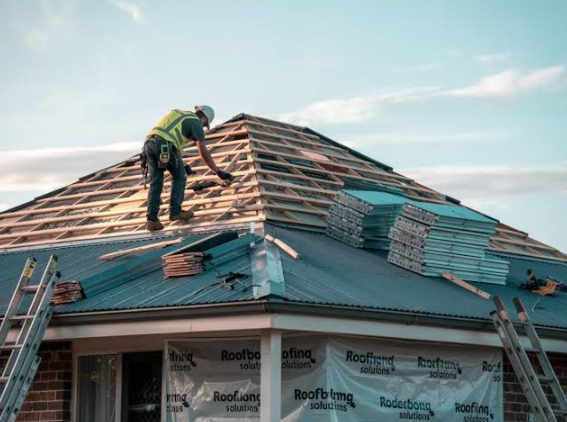
A new roof is one of the most significant investments a homeowner can make, both in terms of cost and the value it adds to a property. The price of a new roof can vary widely depending on several factors, including the size of the home, the type of roofing material chosen, labor costs, and the complexity of the installation. Understanding these variables is crucial for anyone considering a roof replacement, as it helps set realistic expectations and ensures that the project stays within budget. This article provides a comprehensive look at what influences roofing costs and what homeowners should consider before starting their project.
What to Expect When Replacing Your Roof
Factors That Influence Roof Replacement Costs
The cost of a new roof is influenced by a range of factors, each playing a significant role in the final price. One of the primary considerations is the size of the roof, as larger roofs require more materials and labor, naturally increasing the overall cost. The pitch or slope of the roof also matters; steeper roofs are more challenging to work on and may require additional safety measures, which can drive up labor expenses. The type of roofing material selected is another major factor, with options ranging from asphalt shingles to metal, tile, or slate, each with its own price point and installation requirements. Additionally, the condition of the existing roof and underlying structure can impact costs, especially if repairs or reinforcements are needed before the new roof can be installed. Local building codes and permit fees may also add to the total expense, making it essential for homeowners to account for these variables when budgeting for a roof replacement.
See also: Thymosin Alpha-1 Telehealth: I Read the Trials So You Don’t Have To
Roofing Materials and Their Impact on Price
Choosing the right roofing material is a critical decision that directly affects both the cost and longevity of a new roof. Asphalt shingles are among the most popular and affordable options, offering a balance of durability and cost-effectiveness. Metal roofing, while more expensive upfront, provides excellent longevity and energy efficiency, which can result in long-term savings. Tile and slate roofs are known for their aesthetic appeal and durability but come with a higher price tag due to the materials themselves and the specialized labor required for installation. Homeowners should also consider the climate in their area, as certain materials perform better in specific weather conditions. For those in Norcross, working with a Roofing Company Norcross can help ensure that the chosen material is suitable for local weather patterns and building codes. Ultimately, the choice of material will have a lasting impact on both the appearance and performance of the roof, making it a key factor in the overall cost.
Labor Costs and Regional Variations
Labor costs are a significant component of any roofing project and can vary considerably depending on the region and the complexity of the job. In areas with a higher cost of living, labor rates tend to be higher, which can increase the total price of a new roof. The experience and reputation of the roofing contractor also play a role, as more established companies may charge more for their services. Additionally, the time of year can influence labor costs, with peak roofing seasons often resulting in higher prices due to increased demand. The complexity of the roof design, including features such as skylights, chimneys, or multiple levels, can also add to labor expenses, as these elements require additional time and expertise to install properly. Homeowners should obtain multiple quotes from reputable contractors to ensure they are getting a fair price and to understand the range of labor costs in their area. It is also important to verify that the contractor is licensed and insured, as this provides protection in the event of accidents or damage during the project.
Additional Costs to Consider
Beyond the basic materials and labor, there are several additional costs that homeowners should be aware of when budgeting for a new roof. Removal and disposal of the old roofing material can add to the overall expense, especially if the existing roof has multiple layers that need to be stripped away. Some projects may require repairs to the underlying structure, such as replacing damaged decking or addressing issues with insulation and ventilation. These repairs are essential for ensuring the longevity and performance of the new roof but can increase the total cost. Permit fees and inspections, which are required by many local governments, should also be factored into the budget. In some cases, homeowners may choose to upgrade to higher-quality underlayment or add features such as ice and water shields for additional protection, which can further increase costs. Being aware of these potential expenses helps prevent surprises and ensures that the project stays on track financially.
How Long Does a New Roof Last?
The lifespan of a new roof depends largely on the materials used and the quality of the installation. Asphalt shingle roofs typically last between 15 and 30 years, while metal roofs can last 40 to 70 years with proper maintenance. Tile and slate roofs are among the most durable, often lasting over 50 years. Regular inspections and timely repairs can help extend the life of any roof, making it a worthwhile investment for homeowners seeking long-term value.
Tips for Saving Money on Your Roof Replacement
There are several strategies homeowners can use to manage the cost of a new roof without sacrificing quality. Comparing quotes from multiple contractors is one of the most effective ways to ensure competitive pricing. Scheduling the project during the off-season, when demand is lower, may also result in better rates. Choosing a roofing material that balances durability and affordability can help keep costs in check while still providing reliable protection. Additionally, addressing minor repairs promptly can prevent more extensive and expensive damage in the future. Homeowners should also inquire about warranties and financing options, as these can provide added peace of mind and make the investment more manageable.
Conclusion
Replacing a roof is a significant undertaking that requires careful planning and consideration of various factors, from materials and labor to additional expenses such as permits and repairs. Understanding what influences the cost of a new roof helps homeowners make informed decisions and set realistic budgets for their projects. By researching materials, obtaining multiple quotes, and considering both immediate and long-term needs, homeowners can ensure that their new roof provides lasting value and protection for their property. Taking the time to plan and budget appropriately not only helps avoid unexpected expenses but also contributes to the overall success and satisfaction with the finished project.