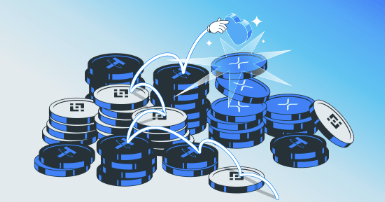
Token marketing aims to align incentives with real user behavior, turning engagement into measurable value. Brands must balance governance, access, and rewards to match goals and user desires for freedom. Meaningful incentives rely on tangible utility, transparent signals, and observable outcomes. The path hinges on disciplined experiments, clear baselines, and rapid iteration to translate behavior into scalable participation and sustained value. The next step asks how these levers actually perform under real-world constraints.
What Token Marketing Aims to Achieve for Brands
Token marketing aims to align brand incentives with user behavior, turning engagement into measurable value. In this view, brands pursue tokenized loyalty that translates into repeat participation and advocacy, rather than one-off interactions. The approach centers on data-driven insights about user engagement, highlighting how rewards reinforce desired actions. This clarity supports audience empowerment, freedom through transparent metrics and predictable outcomes.
Choosing the Right Tokenomics Levers: Governance, Access, or Rewards
Clearly, selecting the right tokenomics lever—whether governance, access, or rewards— hinges on aligning incentives with measurable user behavior and the brand’s strategic goals.
The analysis weighs governance tradeoffs, balancing stakeholder input against agility, while access gating clarifies eligibility and value capture.
For audiences seeking freedom, these levers are evaluated through data, impact, and real-world usage signals.
Designing Meaningful Incentives That Align With Real-World Utility
Designing meaningful incentives requires aligning token-driven rewards with tangible, real-world utility that users can observe and trust.
The discussion centers on data-driven patterns that map behavior to governance access, reward mechanisms, and sustained value.
Clear design incentives emerge when align utilities with practical outcomes, reducing ambiguity, and supporting audience freedom through transparent, verifiable signals that reinforce credible participation and long-term engagement.
Measuring Impact: Metrics, Experiments, and Iterate-And-Improve Plans
How can organizations credibly quantify token marketing impact through a disciplined mix of metrics, experiments, and iterative improvements? The article outlines measurement frameworks that translate user behavior into actionable insights, emphasizing transparent baselines and clear success criteria. It highlights experiment design as a catalyst for learning, guiding rapid iterations, and ensuring results reflect real engagement, value delivery, and scalable growth.
See also: mollygram
Frequently Asked Questions
How Do Tokens Affect Customer Trust and Brand Loyalty?
Token governance shapes trust by ensuring transparent rules, while reward psychology links benefits to ongoing engagement; together they influence brand loyalty, enabling audiences seeking freedom to perceive tokens as fair, consistent anchors in a data-driven, narrative-driven ecosystem.
What Regulatory Risks Should Marketers Consider With Token Campaigns?
Anticipating regulatory risk, marketers should prioritize token compliance, market disclosure, and privacy safeguards; while accents of freedom appeal, compliance framing remains essential. The narrative data shows disciplined disclosure reduces risk, builds trust, and sustains audience engagement.
Can Token Incentives Backfire on User Behavior or Product Quality?
Token incentives can backfire, causing token fatigue and reward inflation that depress platform governance quality, trigger user churn, and degrade perceived product value; data shows rewards may attract short-term engagement but erode long-term user trust and autonomy.
Which Token Model Scales Most With Multiple Product Lines?
The multi-brand model that scales best leverages token velocity insights and cross-brand integration, enabling synchronized incentives across products while maintaining clarity for users seeking freedom, backed by data on adoption curves, retention, and cross-pollinated engagement.
How Do Tokens Impact Long-Term Monetization Beyond the Launch Period?
Tokens become reservoirs of sustainable funding, delaying revenue cliff and aligning incentives across user segmentation; allegorically, a lighthouse funds voyages long after dawn. Data-driven narratives show continued monetization as ecosystems grow, supporting freedom-loving audiences with durable value.
Conclusion
Token marketing succeeds when incentives map to actual user value. The theory that tokenized utility, when tethered to governance, access, and rewards, drives durable engagement holds true only with disciplined experimentation and transparent signals. Brands that define measurable baselines, test iteratively, and prioritize meaningful utility over hype tend to convert behavior into credible participation and sustained value. This data-driven, audience-centric narrative confirms: clear outcomes and rapid learnings are the compass for scalable token ecosystems.